Islamic History course at Al Momin Online Quran Learning focuses on building clear understanding of how Islamic civilization developed through different eras. The course covers the life of Our Prophet, early Muslim society, and key historical events that shaped the foundation of Islam. Students from USA, UK, Canada, and Australia join this program to study history in a structured and easy to follow way
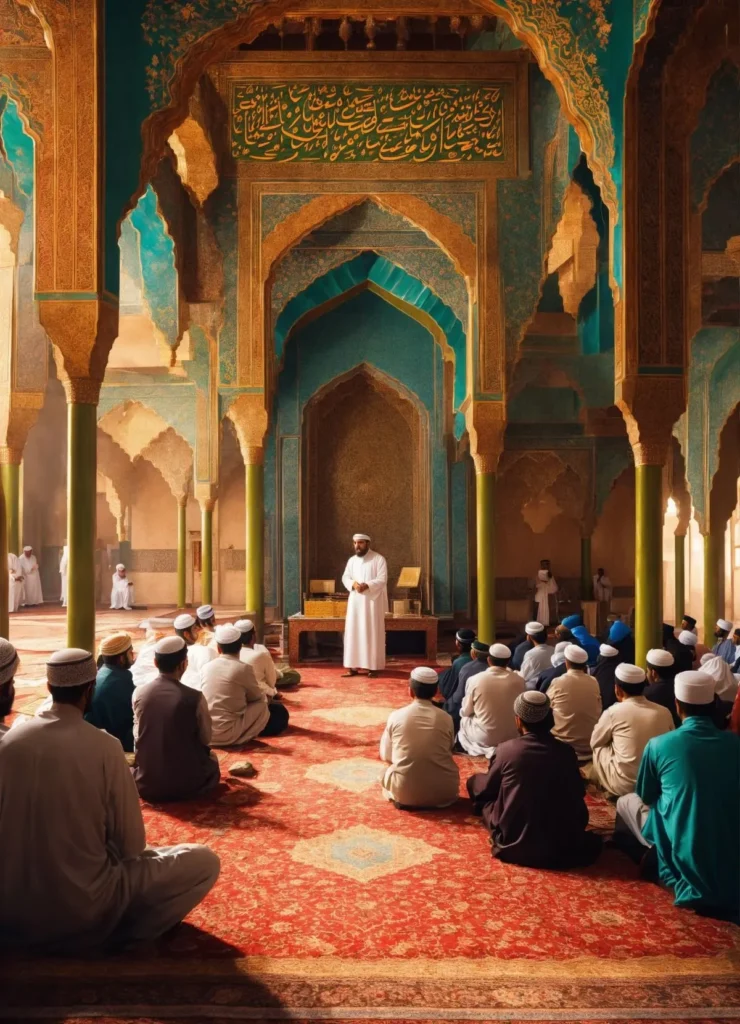
Islamic History at Al Momin is structured around verified narratives from classical Islamic sources such as Seerah literature, authentic historical reports, and scholarly interpretations found in traditional Islamic scholarship. The purpose is not only to teach events but to build understanding of why those events matter in shaping Islamic belief, society, and character.
The course begins with the Seerah of our Prophet’s early life in Makkah, the beginning of revelation, migration to Madinah, and the establishment of the first Islamic society. Each stage is explained with context so learners understand social conditions, challenges, and key decisions made during that time.
After Seerah, the course moves into the era of the Rightly Guided Caliphs. Students study how leadership worked after the Prophet, how the Muslim community expanded, and how governance and justice were maintained.
Special attention is given to Abu Bakr, Umar ibn Khattab, Hazrat Usman and Ali ibn Abi Talib, with focus on their leadership styles and major events during their rule. The learning continues into the lives of the Sahabah and early scholars. This includes their sacrifices, contributions to preserving the Quran, and their role in spreading Islamic knowledge.
To be a leading institute for Quranic education, nurturing well-rounded individuals who embody Islamic values.
Empowering individuals to connect with the divine message and enrich their lives through the study of the Quran.
Sincerity, patience, excellence and adab — in every lesson, with every student, every single day.
The Al Momin Islamic History course is built on a teaching model that focuses on clarity, accuracy, and personal understanding. Each student receives one-to-one attention so they can ask questions freely and move at their own pace without pressure. Teachers explain events in a structured sequence so learners can see how one period leads into another without missing context.
The teaching team includes trained Quran instructors who also have knowledge of Seerah and Islamic studies. This helps in connecting Quranic references with historical events so students understand how revelation interacted with real-life situations during early Islamic history.
The approach is built to create understanding rather than memorization. Students are guided to think about lessons from history and how those lessons apply to personal behavior, family life, and community values.
In actual learning behavior, students do not lose history content. They lose the linkage between events. For example, a student may clearly remember that a specific event happened in a certain period. But when asked what conditions existed before that event, or what changed after it, the answer often becomes uncertain. This shows a deeper issue. The mind has stored the story, but not the relationship between situations. Without these relationships, history feels like separate chapters instead of one continuous development.
Strong historical understanding does not start from memorizing events. It starts from recognizing patterns in human behavior across different situations.
When students begin to see how similar conditions lead to similar outcomes in different periods, history stops being a list and starts becoming a structured understanding.
At that point, events are no longer remembered individually. They are understood through cause, environment, and outcome. This shift is what separates memorized history from meaningful understanding.


One common issue appears when multiple historical events are introduced without a clear separation of context. When events are learned too closely together, students often start mixing details from different periods. Not because they are careless, but because the mind has not formed clear boundaries between one situation and another. Another issue appears when events are learned without understanding the environment in which they occurred. Without context, even correct information becomes difficult to place correctly during recall. Over time, this creates a feeling that history is difficult, while the real issue is missing structure between information units.
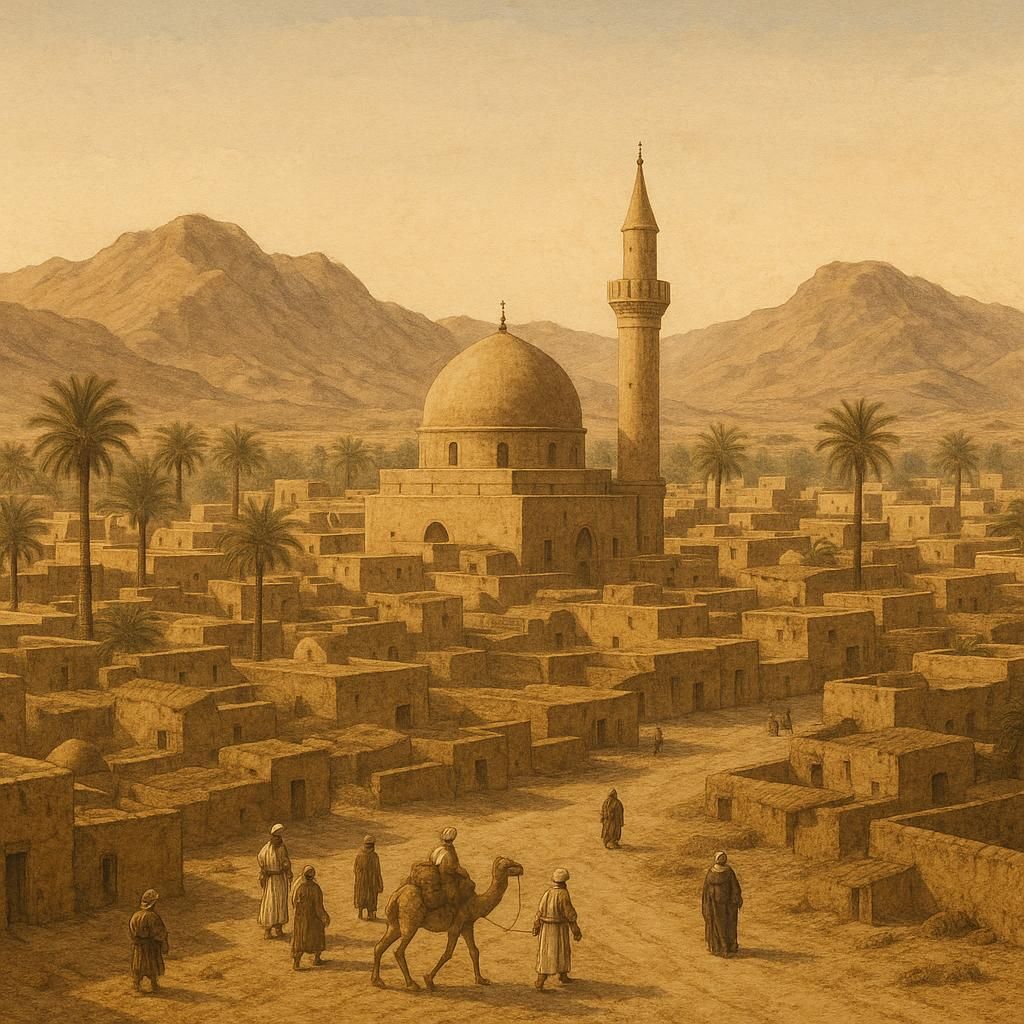
The course is designed for all levels. Beginners are guided from basic timelines, while advanced learners receive deeper explanations with references to historical sources and scholarly views.
Yes, the course includes simplified lessons for kids. Teachers use easy explanations and storytelling methods so children can understand important events without difficulty.
All Islamic History classes are one-to-one. This allows personalized attention, better interaction, and flexible pacing based on the student’s understanding level.
Classes are conducted by trained male and female teachers who have a background in Quran teaching and Islamic studies. They are experienced in explaining Seerah and historical topics in a structured and simple way.
3 Complimentary Classes: Basic Norani Qaida, Quran Reading, and Practical Namaz with one of our certified teachers.